Article 05 | Beyond Sponsorship Assets: How Motorsport Is Building Content Ecosystems
In my previous articles, I explored how motorsport organisations are evolving from delivering events into creating long-term relationship ecosystems.
- Experiences need to extend beyond race day.
- Commercial value cannot rely solely on finite assets.
- Hospitality success should be measured through relationship outcomes.
- Technology can help partnership teams deliver personalised value at scale.
But there is another major shift shaping modern sponsorship.
The way brands create engagement is changing.
Increasingly, the most effective partnerships are not simply about where a logo appears.
They are about creating content, communities and experiences that audiences actively choose to engage with.
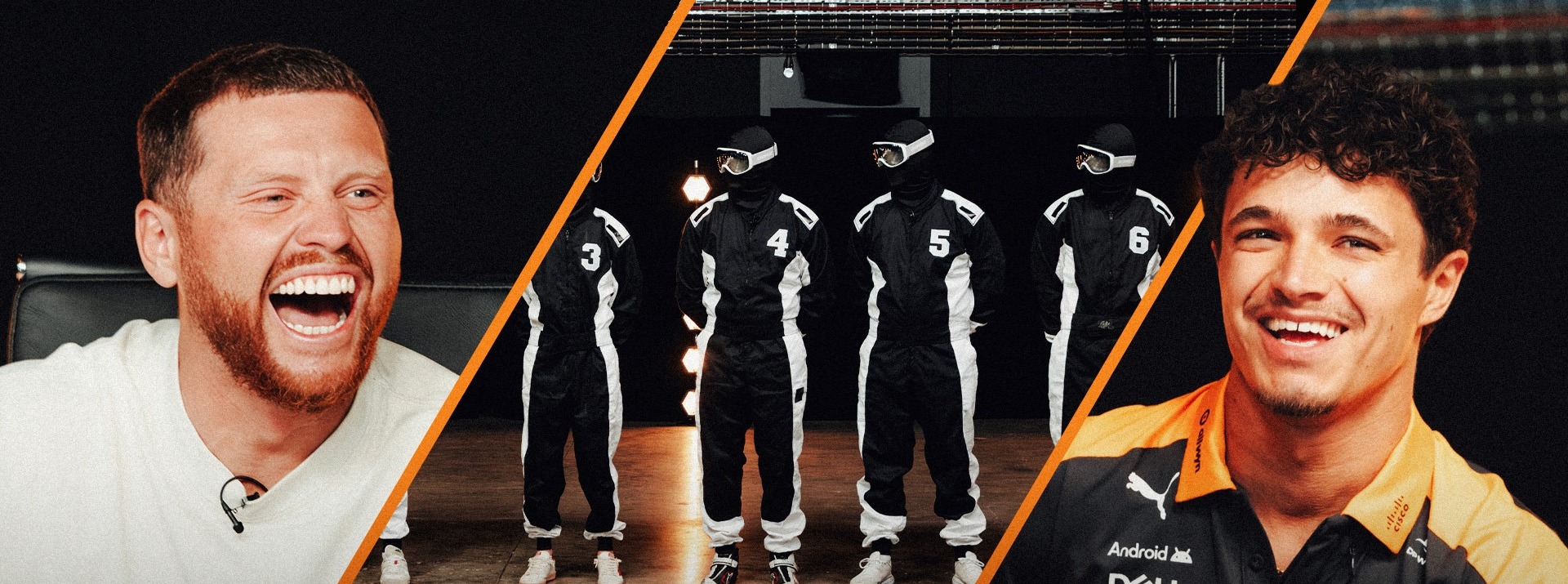
The recent collaboration between McLaren Racing, Lando Norris and the Sidemen provides an interesting example of this evolution.
At first glance, it is simply an entertaining piece of content, but commercially, there is much more happening beneath the surface.
The power of partnership architecture
One of the most interesting elements of this collaboration is how it is structured.
Rather than being positioned purely as a creator collaboration between the Sidemen and Lando Norris, the partnership sits between the Sidemen and McLaren Racing.
That distinction matters.
Lando is the personality that creates the connection with the audience.
But McLaren owns the distribution channel and keeps the team brand at the centre of the activation.
The structure creates three layers:
Team-led distribution
McLaren controls the channel and audience relationship.
Driver-led personality
Lando provides authenticity and cultural relevance.
Brand-led activation
Sponsors and team assets are naturally integrated into the experience.
This is a powerful model because it combines the reach of creators with the credibility of established sports properties.
From sponsorship assets to cultural relevance
Traditional sponsorship often focused on visibility.
- A logo on a car.
- A brand in a hospitality suite.
- A mention during a broadcast.
These remain valuable but audiences increasingly engage with stories rather than placements.
The challenge for commercial teams is therefore changing.
It is no longer only:
"Where can we place the brand?"
It becomes:
"How can we create something people actively want to be part of?"
That is a fundamentally different approach.
From race coverage to cultural relevance
One of the biggest commercial opportunities for motorsport is expanding the relationship between fans and the sport beyond race weekends.
Traditional motorsport engagement has naturally centred around competition:
- Watching races
- Following championships
- Supporting drivers and teams
However, modern audiences increasingly discover sports through entertainment, creators and digital platforms.
Formula 1's Passenger Princess is an interesting example of this shift.
The series combines Formula 1 personalities with Amelia Dimoldenberg's established creator format, creating content designed not only for existing fans but also for audiences who may engage with the sport through personality and storytelling first.
The commercial significance is important.
The value is not only the number of views generated. It is the opportunity to create a deeper relationship between:
- The audience
- The drivers
- The teams
- Commercial partners
This creates a wider ecosystem where content becomes a bridge between the sport and new audiences.
Authentic integration matters
One of the strongest aspects of modern partnership activation is when commercial elements feel naturally embedded.
The audience should not feel like they are watching an advertisement. They should feel like they are experiencing something entertaining, authentic and culturally relevant.
In this collaboration, elements such as team branding, trophies, cars and sponsor assets become part of the story rather than interruptions to it.
This is where strong partnership management becomes important.
The challenge is finding the balance between:
- Protecting brand objectives
- Delivering partner value
- Maintaining audience authenticity
Too much commercial control can reduce engagement and too little commercial alignment can reduce value.
The best partnerships achieve both.
Why this matters for partner retention
This connects directly to a wider commercial challenge.
Partners are increasingly looking for more than exposure.
- They want relevance.
- They want engagement.
- They want opportunities to connect with audiences in meaningful ways.
A successful activation creates value beyond the campaign itself.
It strengthens:
- Brand association
- Audience relationships
- Partner confidence
- Future collaboration opportunities
This is why partnership management is becoming increasingly strategic.
The role is not simply delivering contractual rights but it's identifying opportunities where two organisations can create something neither could achieve independently.
The operational challenge behind great activations
From a PMO and business operations perspective, these campaigns are also fascinating because they require significant coordination.
Successful activations depend on alignment between:
- Commercial teams
- Partnerships
- Marketing
- Content teams
- Drivers
- Creators
- Sponsors
- External agencies
The final output may look effortless but the delivery behind it rarely is.
This is where strong governance, planning and stakeholder management become critical.
Great partnerships are creative but they are also complex programmes.
Looking ahead
The future of motorsport partnerships may increasingly move away from selling inventory and towards creating ecosystems.
The strongest organisations will not simply ask:
"What assets can we offer?"
They will ask:
"What can we create together that audiences genuinely value?"
The McLaren and Sidemen collaboration is a good example of where this direction may be heading.
- Creator-led formats.
- Team-owned distribution.
- Athlete personality.
- Integrated sponsorship.
A partnership designed around audience engagement rather than traditional advertising.
The future of sponsorship may not be about making brands more visible. It may be about making them more relevant.
Because the strongest partnerships are not the ones audiences notice.
They are the ones audiences choose to engage with.
Part of an ongoing series exploring the intersection of commercial partnerships, business operations and long-term value creation in motorsport.
Post a comment