Article 02 | When Formula 1 Outgrows Its Own Success: The Challenge of Creating Value Beyond the Circuit
In my previous article, I explored how motorsport organisations may increasingly need to think beyond race-day experiences and instead focus on building long-term relationship ecosystems.
The more I think about that topic, the more it feels less like an opportunity and more like a commercial necessity.
One reason stands out.
Formula 1 is becoming a victim of its own success.
Not because demand is falling, quite the opposite.
Commercial demand continues to grow across multiple areas of the sport.
- More brands want to partner with teams
- More executives want to attend race weekends.
- More organisations are looking for opportunities to engage clients, prospects and stakeholders through premium experiences.
However, some of Formula 1's most valuable assets remain finite and that creates an interesting challenge.
The inventory problem
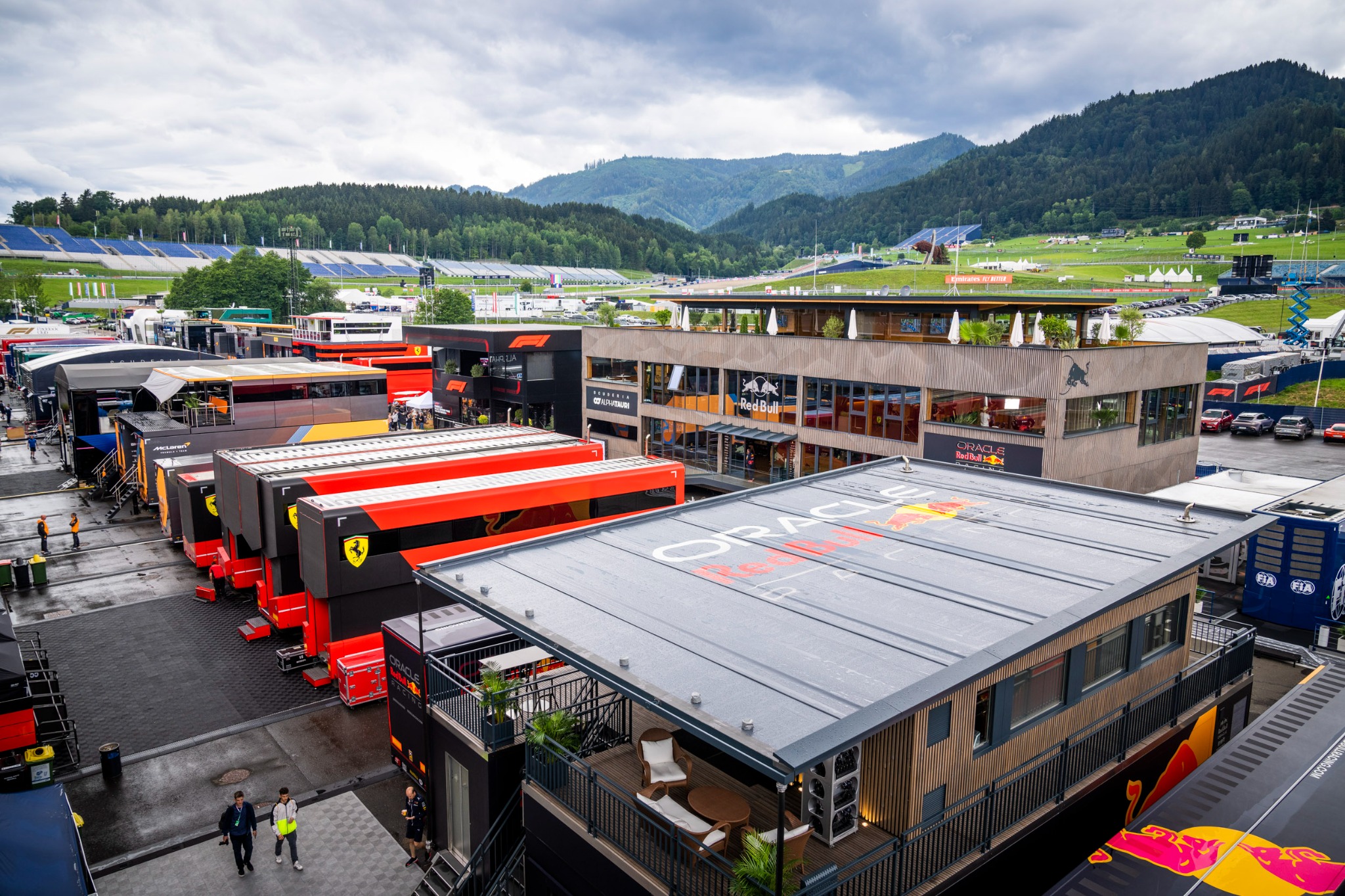
Hospitality is a good example.
Over recent years, teams have expanded their partner portfolios significantly. At the same time, hospitality spaces remain constrained by physical limitations.
Paddock access is another example.
These assets have always been highly desirable, but increasing demand means commercial and partnership teams are being asked increasingly difficult questions.
How do you continue creating value when your most desirable assets are already operating at capacity?
This isn't a sales problem, it's an operating model problem.
Because there is a limit to how much physical inventory can be created.
Some venues may have opportunities to expand capacity, but many circuits are constrained by available space, infrastructure and investment requirements.
At some point, organisations encounter a simple reality.
Growth cannot rely exclusively on expanding access.
Rethinking where value is created
This may force a shift in how partnerships are designed.
Historically, access has often been one of motorsport's most valuable currencies.
- Paddock experiences.
- Hospitality programmes.
- Executive networking.
- Premium guest access.
These assets will remain incredibly important.
However, future commercial growth and partnership teams may need to rethink how they deliver value throughout the year.
Instead of asking:
"How do we sell more access?"
Organisations may increasingly ask:
"How do we create more value from finite assets?"
That subtle change could reshape how partnerships are activated.
The focus shifts from distributing hospitality assets to designing ongoing engagement opportunities that strengthen relationships over time.
Potential areas of growth and opportunities may include:
- Private events away from race weekends
- Executive networking programmes
- Exclusive content experiences
- Digital communities
- Thought leadership opportunities
- Year-round engagement initiatives
In this model, race day becomes one element of a much broader relationship strategy.
From events to ecosystems
This links closely to a theme I explored previously.
I'm increasingly interested in how motorsport organisations evolve from event operators into relationship ecosystems.
The distinction matters.
An event has a clear beginning and end. An ecosystem creates continuous value.
- Sponsors no longer need to interact with teams solely during race weekends.
- Guests no longer need to wait for an invitation to attend a Grand Prix.
- Partnerships no longer need to rely exclusively on physical assets.
Instead, organisations have an opportunity to create year-round engagement models that strengthen relationships over time.
In many ways, Formula 1's success may accelerate this transition.
As physical inventory becomes more constrained, organisations may become more innovative in how they deliver value elsewhere.
What this means from an operational perspective
Coming from a PMO and business operations background, this challenge feels familiar.
Whenever a system reaches capacity, organisations typically have two choices.
- Increase supply, or
- Redesign the operating model.
The second option is often more sustainable.
That requires organisations to rethink processes, stakeholder interactions and value creation mechanisms.
It also requires strong alignment across commercial, partnerships, hospitality, marketing and operations teams.
Exceptional experiences rarely happen because one department performs well in isolation.
They happen because multiple functions work together towards a shared objective.
That principle may become increasingly important as Formula 1 continues to grow.
Looking ahead
I suspect the organisations that stand out over the next decade won't necessarily be those with the largest hospitality footprint.
They may be the ones that become best at creating value away from the circuit itself.
Because if race day is becoming a constrained asset, then future partnership value may increasingly be determined by everything that happens around it.
In many ways, this is a positive challenge to have, it reflects how far Formula 1 has come commercially.
But it also raises an interesting question.
If access becomes harder to scale, what becomes the next source of competitive advantage?
My view is that the answer lies in relationship design.
The future of motorsport partnerships may not be about creating more experiences, but about creating better ecosystems.
Because race day is no longer the destination.
It's one chapter in a much larger journey.
Part of an ongoing series exploring the intersection of commercial partnerships, business operations and long-term value creation in motorsport.
Post a comment